
Tracing Former Owners of a Rensselaer County Property
Rensselaer County public-record detail
| Source | Years It Covers | Where Held | What It Shows |
|---|---|---|---|
| SearchIQS deed index | Rensselaer County public-record detail | Rensselaer County Clerk | Rensselaer County public-record detail |
| Rensselaer County public-record detail | Rensselaer County public-record detail | Rensselaer County public-record detail | Rensselaer County public-record detail |
| Rensselaer County public-record detail | Rensselaer County public-record detail | Rensselaer County public-record detail | Rensselaer County public-record detail |
| Rensselaer County public-record detail | Rensselaer County public-record detail | Rensselaer County public-record detail | Rensselaer County public-record detail |
Rensselaer County public-record detail
Walking the Rensselaer County Deed Chain Backward
Rensselaer County public-record detail
- Rensselaer County public-record detail
- Rensselaer County public-record detail
- Rensselaer County public-record detail
- Rensselaer County public-record detail
- Grantor / grantee
- Rensselaer County public-record detail
- Chain of title
- Rensselaer County public-record detail
- Legal description
- Rensselaer County public-record detail
How Far Back Rensselaer County Ownership Records Go
Rensselaer County public-record detail
Lawful use. Rensselaer County public-record detail
Older Chains beyond Online Rensselaer County Deeds
Title work does not stop where online deed images stop. The Hart Cluett finding aids point to title-search and local-history collections that reach earlier than the county's online run.
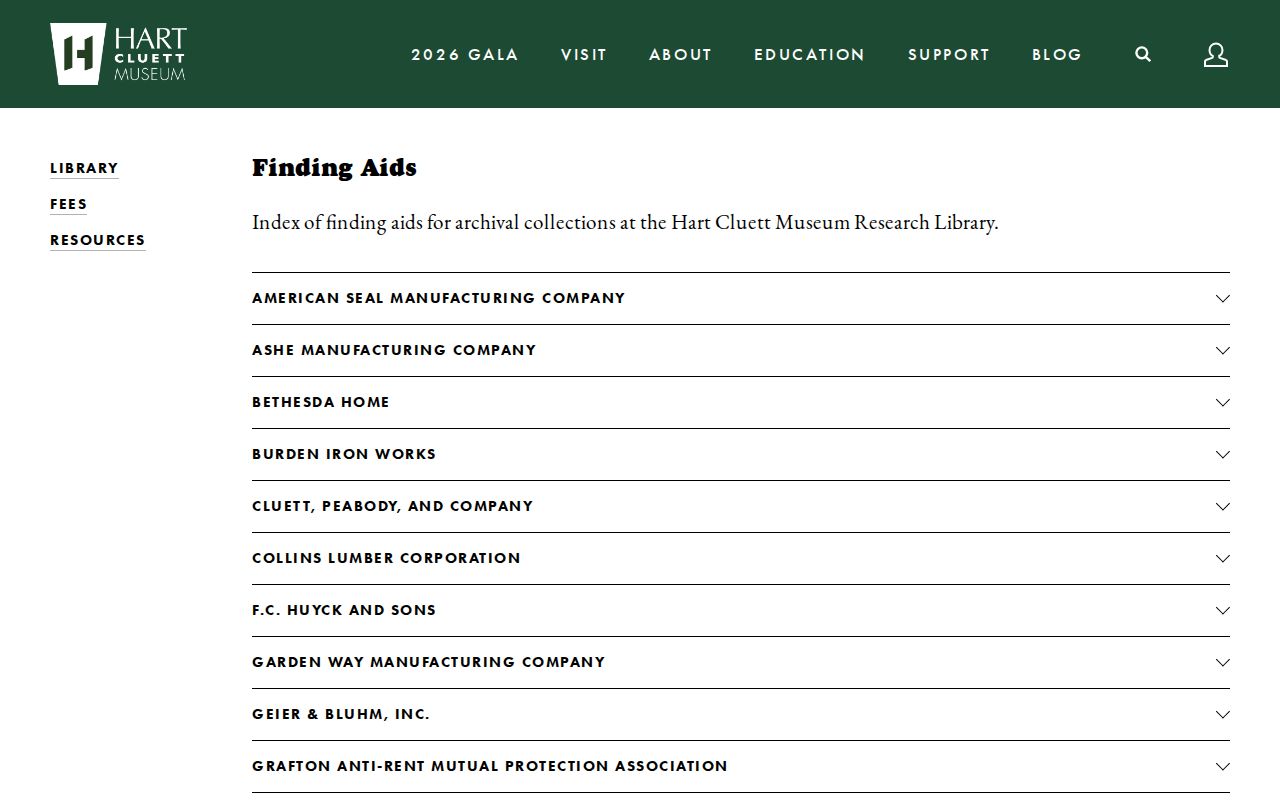
These archival leads supplement, rather than replace, the grantor-grantee chain assembled from Rensselaer County Clerk records.
Start with the Present Grantee and Work Backward
Tracing former owners in Rensselaer County means working a chain in reverse. Start with the current assessment parcel in PROS. Then pull the newest deed from SearchIQS. Note the grantor, the grantee, the date, the instrument type, and the recording reference. The grantor named there is your next likely prior owner. Search for that party as a grantee in an earlier stretch of the property records. Check that the land description matches. Keep repeating the step back through time.
| Transfer Date | Grantor to Grantee | Deed Type | Reference |
|---|---|---|---|
| Newest recorded date | Prior holder to current grantee | As indexed | Instrument or book/page |
| Earlier recorded date | Earlier holder to prior grantee | As indexed | Instrument or book/page |
Hold off on adding a surname to the timeline until something concrete ties it to the parcel. A matching deed description, a cited prior instrument, or a parcel reference should confirm the link first. Same-name parties and owners holding several parcels can otherwise build a chain that looks solid but is false.
Use the Online Coverage Dates as Branch Points
SearchIQS deed images start with May 30, 1980, and its mortgage coverage begins in 1989. The 1973 through 1989 grantee books can still supply index data. The matching image may not be online. Once the chain hits those limits, carry the last known grantor, grantee, approximate date, and recording reference to the County Clerk records room. No amount of repeated searching will surface an image outside the published run.
Coverage limit. The online image boundary is not the beginning of Rensselaer County ownership history; it marks the point where research changes format and custodian.
The County Clerk sits at 105 Third Street in Troy. The office posts records-room and copy details for anyone visiting in person. Keep the request tight. Name the instrument type, both parties, the date range, and any book/page or index clue you already hold. A focused ask like that gets results far faster. It beats a plea for everything tied to one address.
Recognize Descriptions that Changed over Time
Older deeds rarely speak the language of a modern tax parcel. Instead of an SBL, expect metes and bounds. You may also see lot and block references, a filed-map number, named neighboring owners, or a manor lease description. Write down every directional call, road name, and cited map. Those details decide whether two deeds actually describe the same property. A current tax-map sheet helps you get oriented. But it is no substitute for a recorded plat or a boundary survey.
Shifting municipal names matter just as much. Lansingburgh grew on its own before Troy annexed it in 1900. Greenbush became the City of Rensselaer in 1897. It then picked up Bath and part of western East Greenbush in 1902. The chain of title can stay continuous while the jurisdiction label keeps changing. So search both the old and current names. Mark the annexation date in your timeline.
Account for Probate and Non-Sale Transfers
Sometimes an owner vanishes from the deed sequence. The reasons may have nothing to do with a sale. Death intervenes. So does an estate decree, a life estate, or a transfer signed by an executor. WebSurrogate lets you search by name, by file, or through its old index. That is how you locate a relevant estate file. Hart Cluett holds Rensselaer County Surrogate records from 1791 through 1915. Turn to those sources once a deed or owner notation gives you a person. Use an approximate period to narrow the search.
Do not lean on sale price to prove a transfer happened. A deed can carry full consideration language while PROS or SalesWeb shows a blank price. The transaction was not treated as arm's length. Record the deed type, any relationship clues, and the source date. Resist the urge to invent a market sale.
Extend Former-Owner Research into Archives
Sometimes a normal deed chain refuses to start cleanly. A Van Rensselaer Manor lease may explain the earliest interest. The New York State Library offers a finding aid to manor-era material. Closer to home, Hart Cluett's Charles Cohen Collection holds late-twentieth-century title-search files. The Troy Public Library's Troy Room keeps city directories and property-history resources. Troy directories run nearly continuously from 1829 to the present. Some full-text series still have gaps.
Directories link a person to an address in a given year. That is useful, but a directory never conveys title. Use it to test occupancy, track address changes, and catch name variants between deeds. The Eastland Park Association papers work the same way: a historical lead for City of Rensselaer research. They are not a verified subdivision boundary or lot roster. Before that material enters a property chain, find the recorded map. Match its lots to current SBLs.
Document Gaps instead of Guessing at Prior Owners
Even the fullest former-owner chain can hold a gap. Note the last deed you confirmed on each side of it. Write down the missing years and the names searched. Note the office that may hold the next record. A deed may be cited by book and page but not imaged online. That citation becomes a precise request for the county records room. Treat a suspected estate transfer as a probate lead until the file itself is matched.
Street directories, historic maps, and old tax lists can tie a person or a building to an address. That address belongs to a given year. Keep that material in its own column. Occupancy and assessment are not the same as title. The line matters most in places where street grids and jurisdiction names shifted. Troy's long directory run is one example. So is research in Greenbush, Bath, and Lansingburgh.
Research note: Date every conclusion.