
The Values on a Rensselaer County Property Record
Rensselaer County public-record detail
| Value | What It Is | Where |
|---|---|---|
| Assessed value | Rensselaer County public-record detail | Rensselaer County public-record detail |
| Market / appraised value | Rensselaer County public-record detail | Rensselaer County public-record detail |
| Last sale price | Rensselaer County public-record detail | Rensselaer County public-record detail |
| Land vs improvement | Rensselaer County public-record detail | Rensselaer County public-record detail |
Rensselaer County public-record detail
Looking Up a Rensselaer County Property Value
Rensselaer County public-record detail
- Rensselaer County public-record detail
- Rensselaer County public-record detail
- Rensselaer County public-record detail
- Rensselaer County public-record detail
- Assessed value
- Rensselaer County public-record detail
- Market / appraised value
- Rensselaer County public-record detail
- Level of assessment
- Rensselaer County public-record detail
What a Rensselaer County Assessor Value Is Not
Rensselaer County public-record detail
Value vs price. Rensselaer County public-record detail
Assessment Review for Rensselaer County Property Value
Owners in Rensselaer County who question a roll figure can follow the state's assessment grievance guidance, which walks through the local filing route for disputing an assessed value.
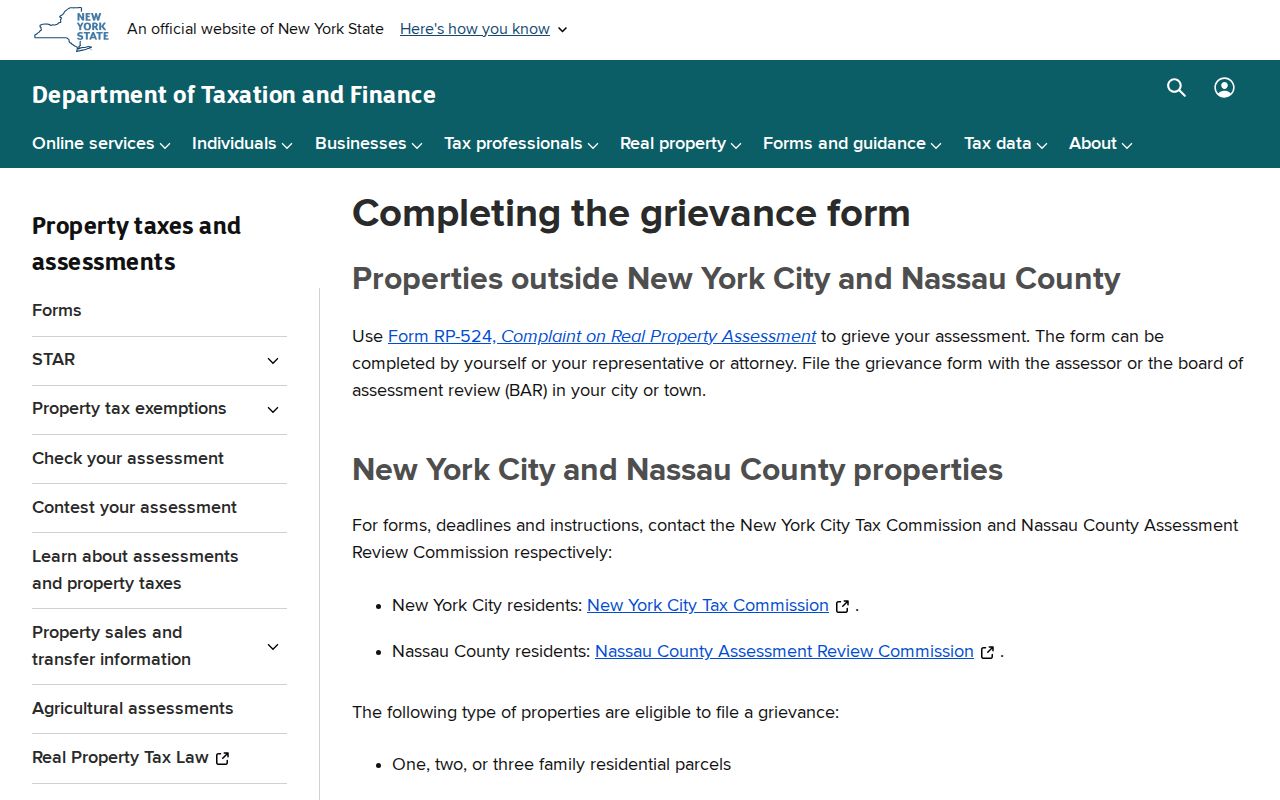
The guidance covers review procedure and assessed value. It does not convert a roll figure into a market appraisal of the parcel.
Separate Assessed Value, Market Value and Sale Price
Numbers serve different masters. Rensselaer County property value research pulls together figures built for separate purposes. The assessor places an assessed value on the roll for taxation. That number exists to spread the tax burden, not to price one house.
A market-value estimate can be derived by applying the jurisdiction's uniform percentage or state ratio. It is still not an individual appraisal. Sale price is different again. It describes a reported transfer. It can be absent or misleading when a deed is not arm's length.
| Value Type | Meaning | Primary Record |
|---|---|---|
| Land assessment | Assessed land component | Assessment roll |
| Total assessment | Assessed parcel total | Assessment roll |
| Taxable value | Value after applicable exemptions | Roll and tax record |
| Sale price | Reported transfer figure | RP-5217, SalesWeb or deed |
Read the Final-Roll Fields Together
The 2023 final roll packs many fields side by side. Look for valuation date, taxable-status date, SWIS, SBL, owner, mailing address, property location, school district, parcel size, grid, account, land assessment, total assessment, exemptions and taxable values. Save the roll year and its dates with every figure. Pulling a number free of its assessment year invites a false trend.
Exemptions alter taxable value without touching the deed chain. Keep land and total assessment separate too. An improved parcel can show a total assessment far above its land component. A tax bill can differ from all of this. Rates and exemptions apply later in the process.
Use Uniform Percentage as a Ratio, Not an Appraisal
A uniform percentage, level of assessment or equalization measure lets you compare assessed values against an estimated market-value basis. It applies at the jurisdiction level. Apply the published figure matching the right municipality and roll year. The 2025 state market-value table lists rows for City of Rensselaer and Troy. A citywide ratio still does not appraise one house.
Value limit. An assessed value supports tax administration. It is not a prediction of the price a willing buyer would pay and does not replace an appraisal.
Cross-check Sale Price in Three Systems
Three systems can carry three numbers. Compare the deed's consideration language, RP-5217 or SalesWeb sale information, and the PROS sale field. Record the date and source for each. They serve different processes, so they disagree. A blank PROS sale price may reflect non-arm's-length treatment. The recorded deed may still recite consideration.
SalesWeb reaches back roughly ten years of transfers. Confirm the sale belongs to the same municipality and SBL. Inspect the deed type before using it in a value trend. Estate, gift, related-party and life-estate transfers should not be treated automatically as open-market evidence.
Assessment Dates Explain Apparent Value Conflicts
Dates explain many apparent conflicts. The sample roll uses a July 1 valuation date and a March 1 taxable-status date. A later improvement, transfer or demolition can reach a permit, deed or current portal first. It lands in a final roll later. Build a timeline from the permit date, sale date, deed recording date and valuation date. Add the roll year.
Troy publishes a city assessment calendar covering its tentative roll, grievance period and final roll. The City of Rensselaer assessor maintains about 3,300 parcels and links annual rolls. Follow each municipality's own calendar. Never apply one city's dates to the other.
Permits and Parcel History Add Context
Troy building-permit inquiries run on address and tax-map number. The City of Rensselaer form captures SB&L, owner, work type and project scope. A permit can explain why a later assessment changes. Permit issuance itself states nothing about market value. Planning, zoning and historic-review files can likewise explain legal use or approved work. They do not appraise the parcel.
Rail, port and industrial history may help interpret unusual City of Rensselaer parcels. Troy's compact historic districts and the Lansingburgh grid can explain lot patterns. Use that context to locate documents. Then rely on dated roll and sale evidence for the value record itself.
Build a Defensible Value Timeline
Build the timeline on paper or a spreadsheet. Record each roll year's land assessment, total assessment, exemptions and taxable value. Add verified sale dates and prices in a separate column. Note the applicable ratio plus any permit or parcel change you know about. This discipline keeps an exemption change from masquerading as a decline in assessed value. It also keeps a deed price distinct from a tax figure.
A formal opinion of present market value calls for a qualified appraiser. A challenge to the assessment goes through the local assessor and grievance process. Roll figures, ratios and transfer sources are research evidence. They are not a substitute for either professional task.
What the Value Record Cannot Answer
The record has limits worth naming. An assessment does not measure condition on the day of a search. It does not guarantee allowable use or account for every private easement. A sale price does not reveal whether the transfer met the open market. A citywide ratio cannot reflect one building's repairs or defects.
Those questions belong to zoning, permit and deed records. Keep the property-value conclusion narrow. It rests on dated assessment figures, documented exemptions, verified transfer evidence and the stated jurisdiction-level ratio.
Comparison note: Round only after applying the published jurisdiction ratio, and keep the original assessment figure. State-derived estimates suit broad comparison, yet precision in the calculation does not make the result an appraisal or a guaranteed sale price. Always identify the municipality and roll year beside the estimate, and retain each source date.